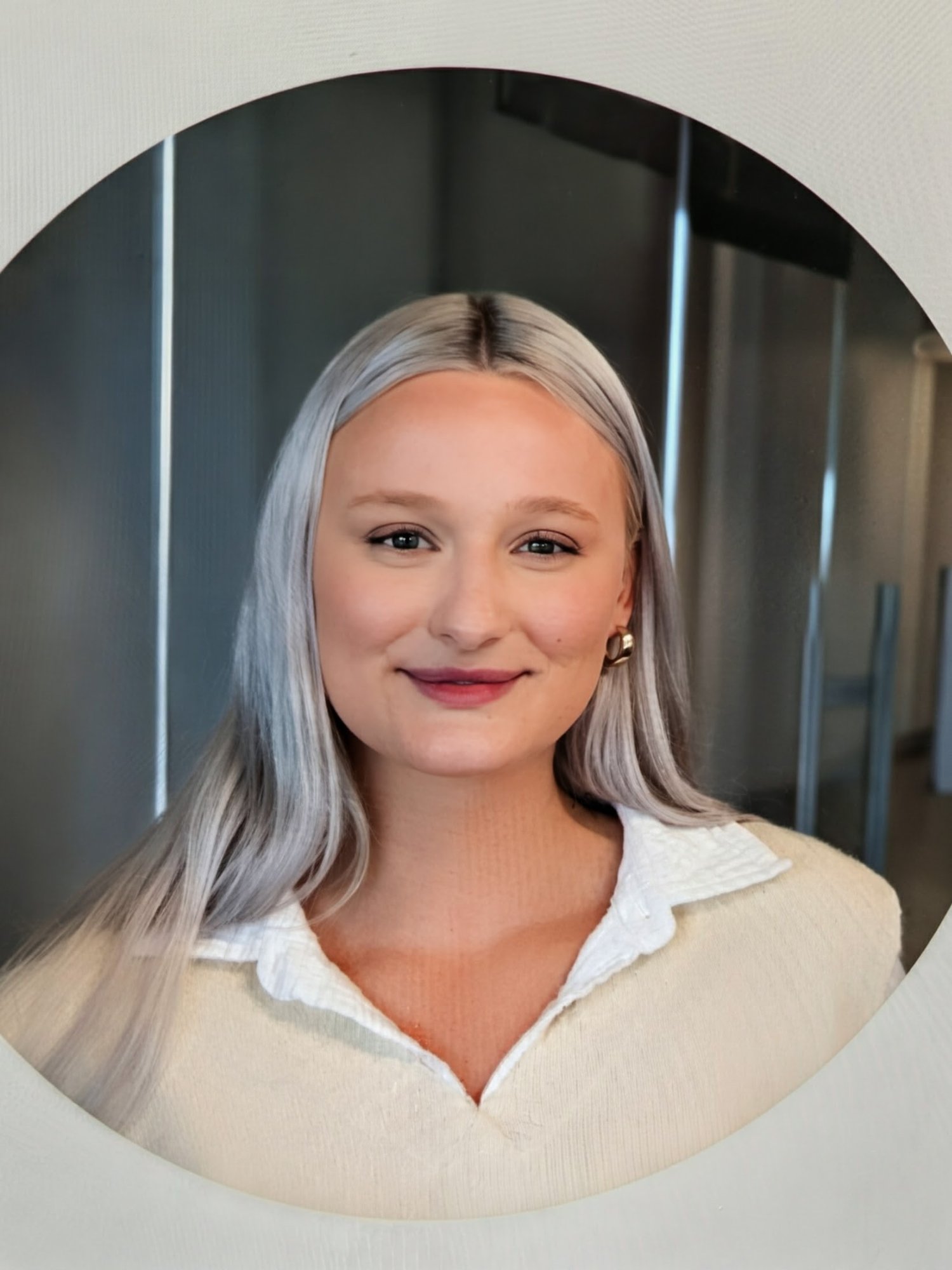
Research Assistant · Chan Lab · UT Southwestern

Stopping cancer
before it spreads.

I work at the intersection of immunology, gene therapy, and patient-derived tissue modeling — building the preclinical evidence for a new class of treatment that targets how breast cancer corrupts the immune system.

B.S. Biochemistry · University of Arizona
Caroline Hauer, Research Assistant at the Chan Lab
Mission

Breast cancer kills because it spreads. Our lab discovered that cancer doesn't just hide from the immune system — it actively corrupts your body's own natural killer cells, turning them from hunters into helpers. My work is building the human tissue models to prove we can reverse that — and stop metastasis before it starts.

01

Research at the Chan Lab

01

Patient-Derived Organoids

Growing 3D human breast tissue models from patient cheek swabs — via iPSC reprogramming — that carry each person's individual genetic profile. Far more predictive than flat cell cultures.

02

Gene Knockout via CRISPR

Using CRISPR-Cas9 transfection to knock out specific genes in organoids, recreating the exact disease states — including NK cell corruption mechanisms — that drive metastasis in real patients.

03

Gene Therapy Testing

Applying Dr. Chan's therapeutic to engineered organoids to determine whether it can restore NK cell cytotoxicity — testing whether the immune system's killers can be brought back online.

Research Pipeline
Patient cheek swab
Epithelial cells
iPSC reprogramming
3D organoids
CRISPR knockout
Drug testing
FDA trials 2026–27
02

The Discovery Behind the Work

"Cancer cells educate natural killer cells to a metastasis-promoting cell state."
— Chan et al., Journal of Cell Biology, 2020

Your body's NK cells are designed to hunt and destroy cancer. The Chan Lab discovered that breast cancer cells don't just hide from NK cells — they reprogram them through specific molecular switches (KLRG1 and TIGIT), stripping away their killing ability and redirecting them to help the tumor spread.

The critical finding: this corruption is reversible. Blocking those molecular switches in lab models restored NK cell function. The gene therapy Dr. Chan developed targets exactly this mechanism — and the organoid work I do provides the human tissue evidence that it works.

Standard immunotherapy drugs like PD-1 blockers do not address this problem. A successful therapy here would treat something no current approved drug touches.

03

Research Overview — Presented by Caroline's Digital Avatar

The following is a 60-second AI-generated avatar presentation based on Caroline's research at the Chan Lab. Created using HeyGen.

The Chan Lab at UT Southwestern

Dr. Isaac Chan's lab is part of the Simmons Comprehensive Cancer Center — one of the leading cancer research institutions in the United States. The lab accepts donations directly, with 100% supporting research to end metastatic disease.